It is 3 a.m., the frost has found the gap between you and the ground, and you are awake doing the math on every ounce you cut to get here. That is the usual way a lighter pack goes wrong: the savings come out of the sleep system, and the bill arrives at night.
An ultralight sleep system does not have to sleep cold. The trick is building it in the right order, because each piece leans on the one beneath it. Your pad decides how much warmth the ground steals, and a quilt only matches a bag when the pad under it is doing its share. A pillow weighs almost nothing and decides whether you actually sleep. Technique covers what gear can't, and none of it works once your insulation is wet.
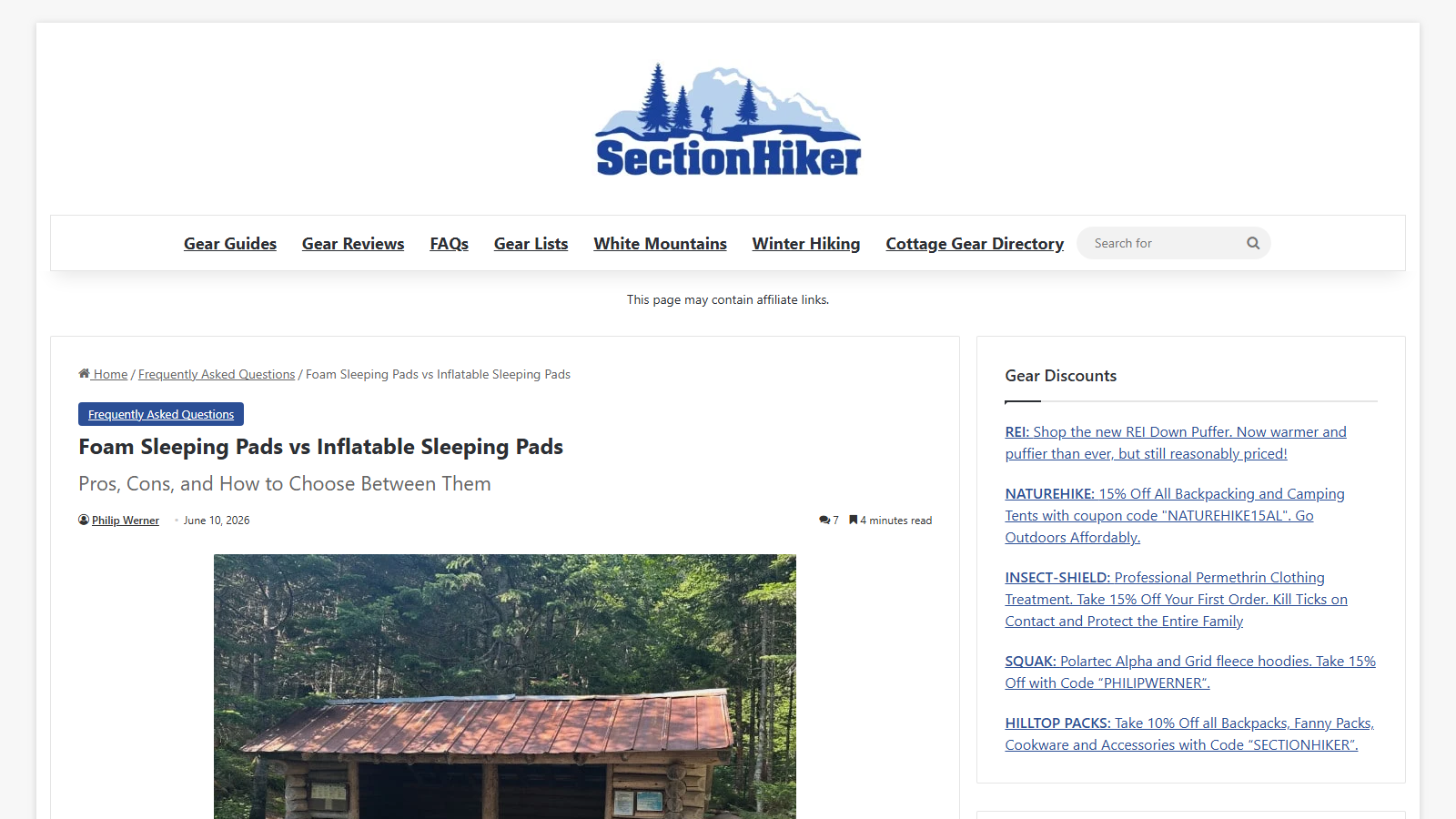
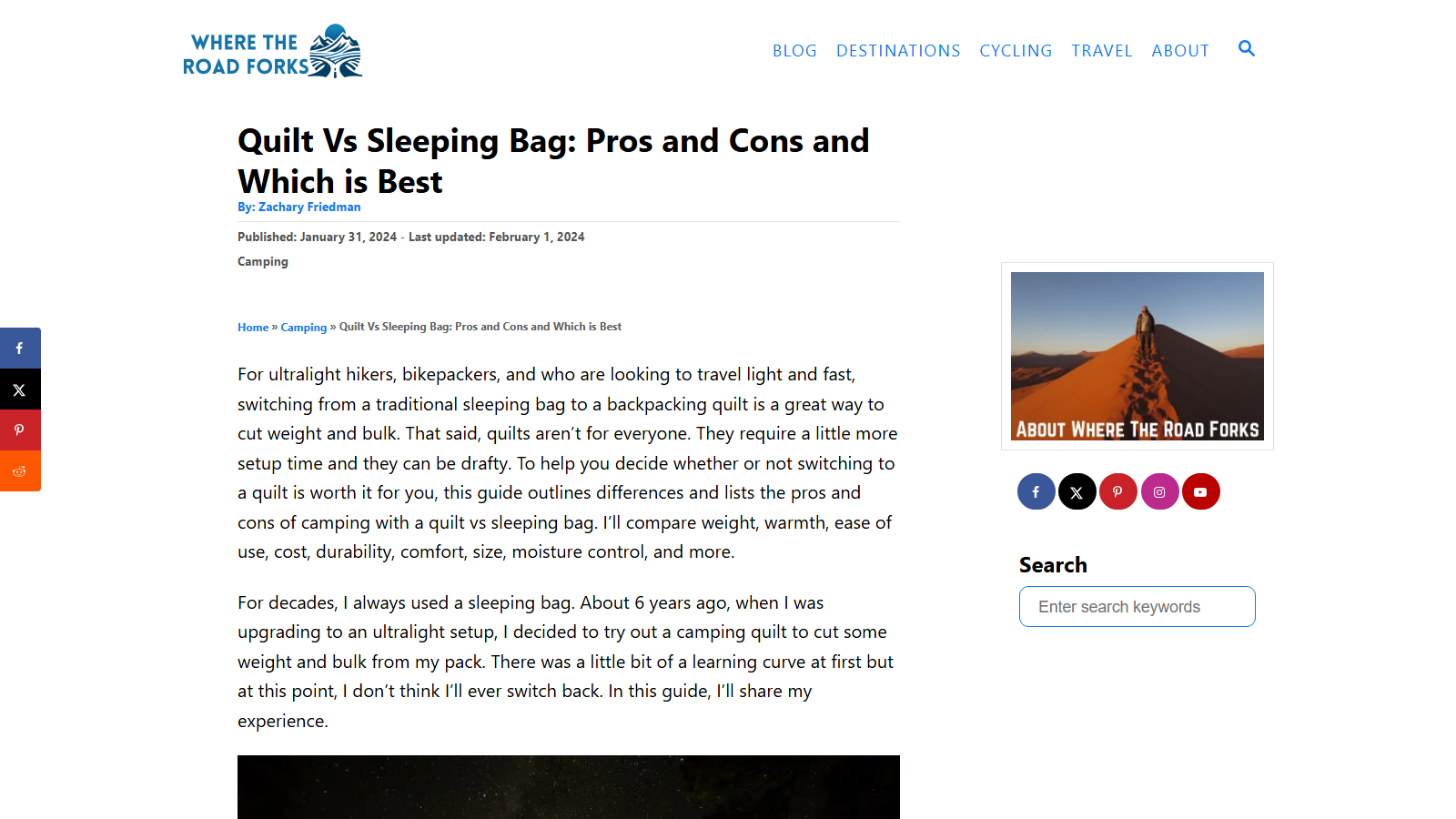
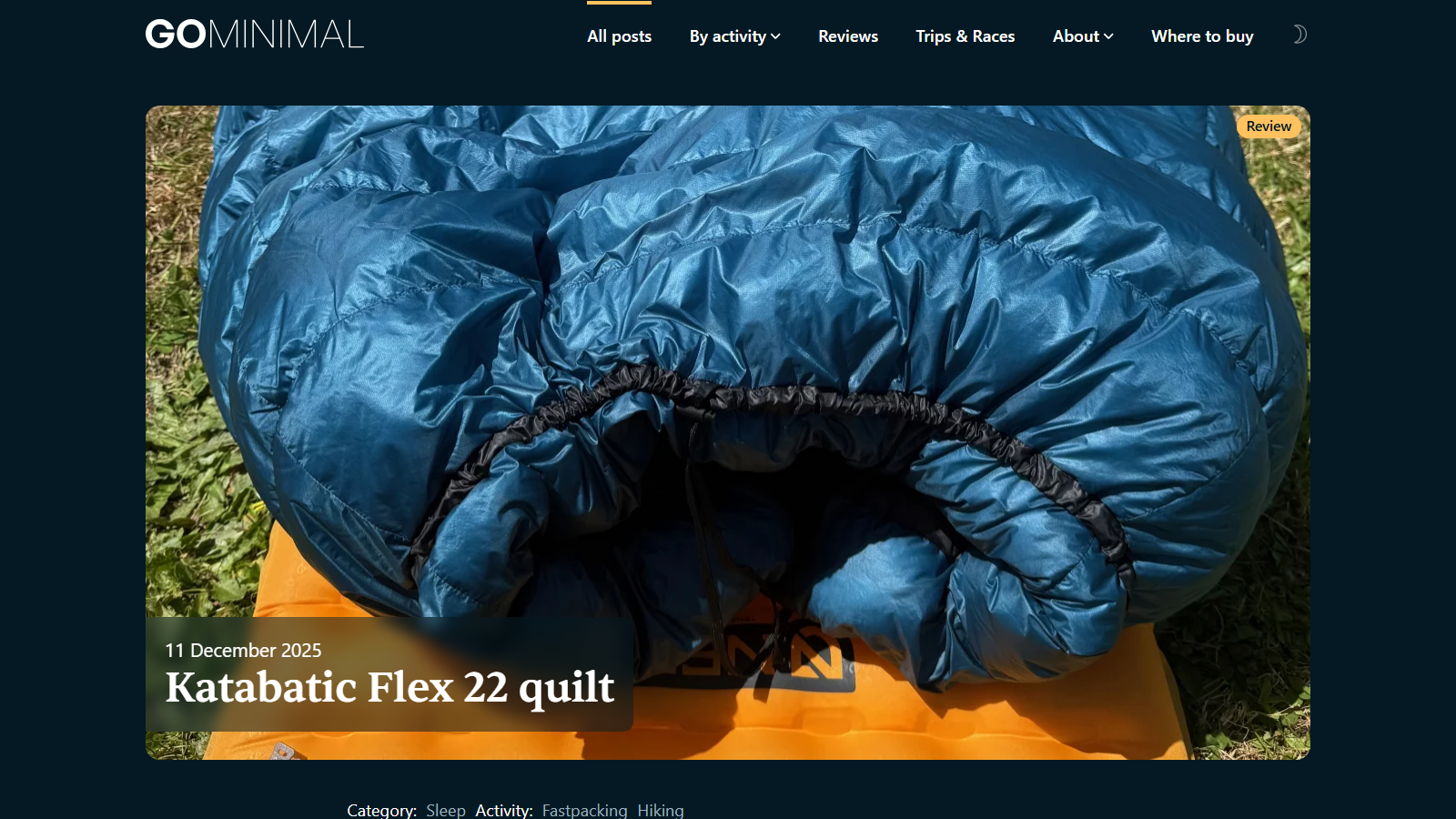
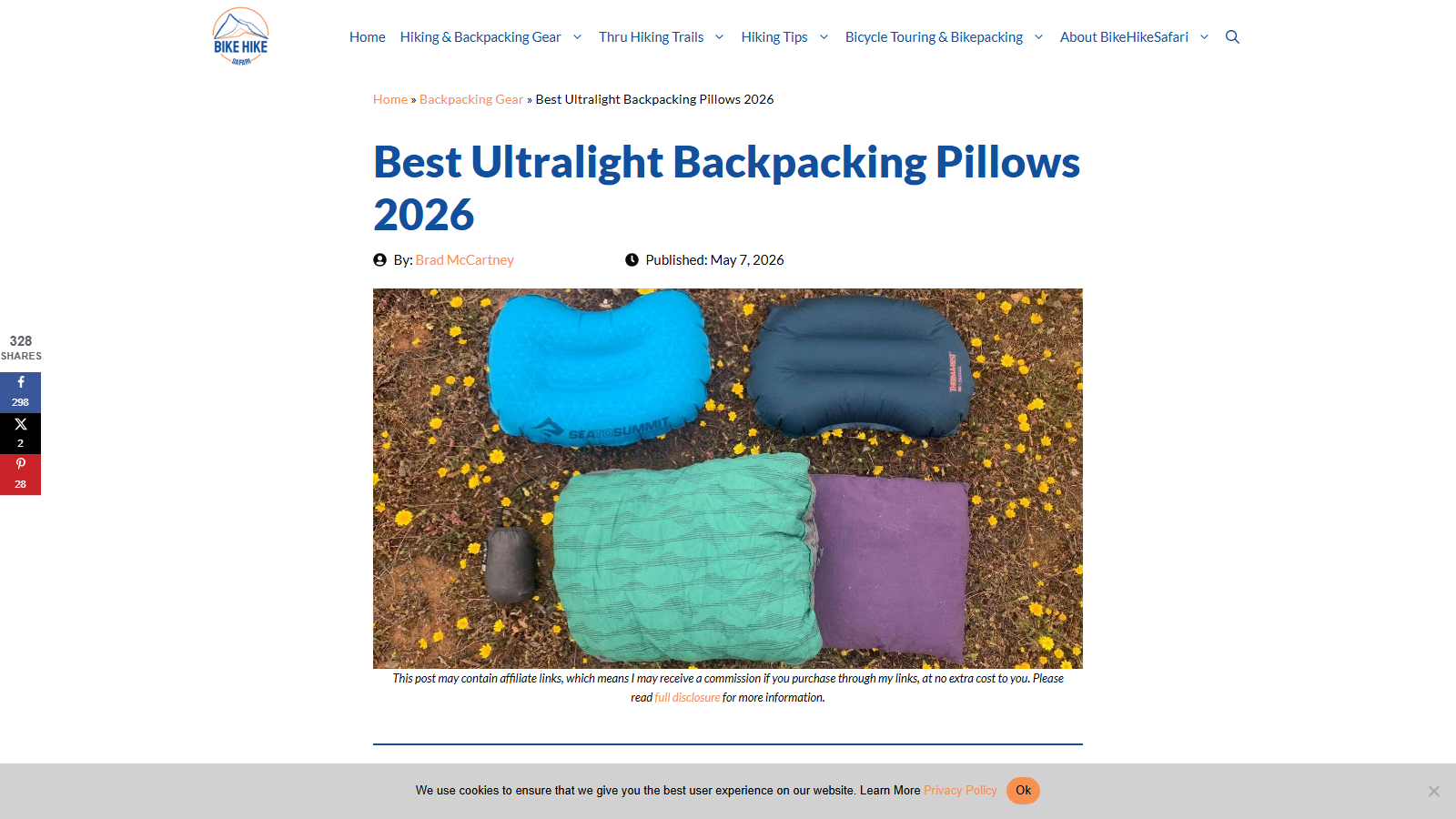
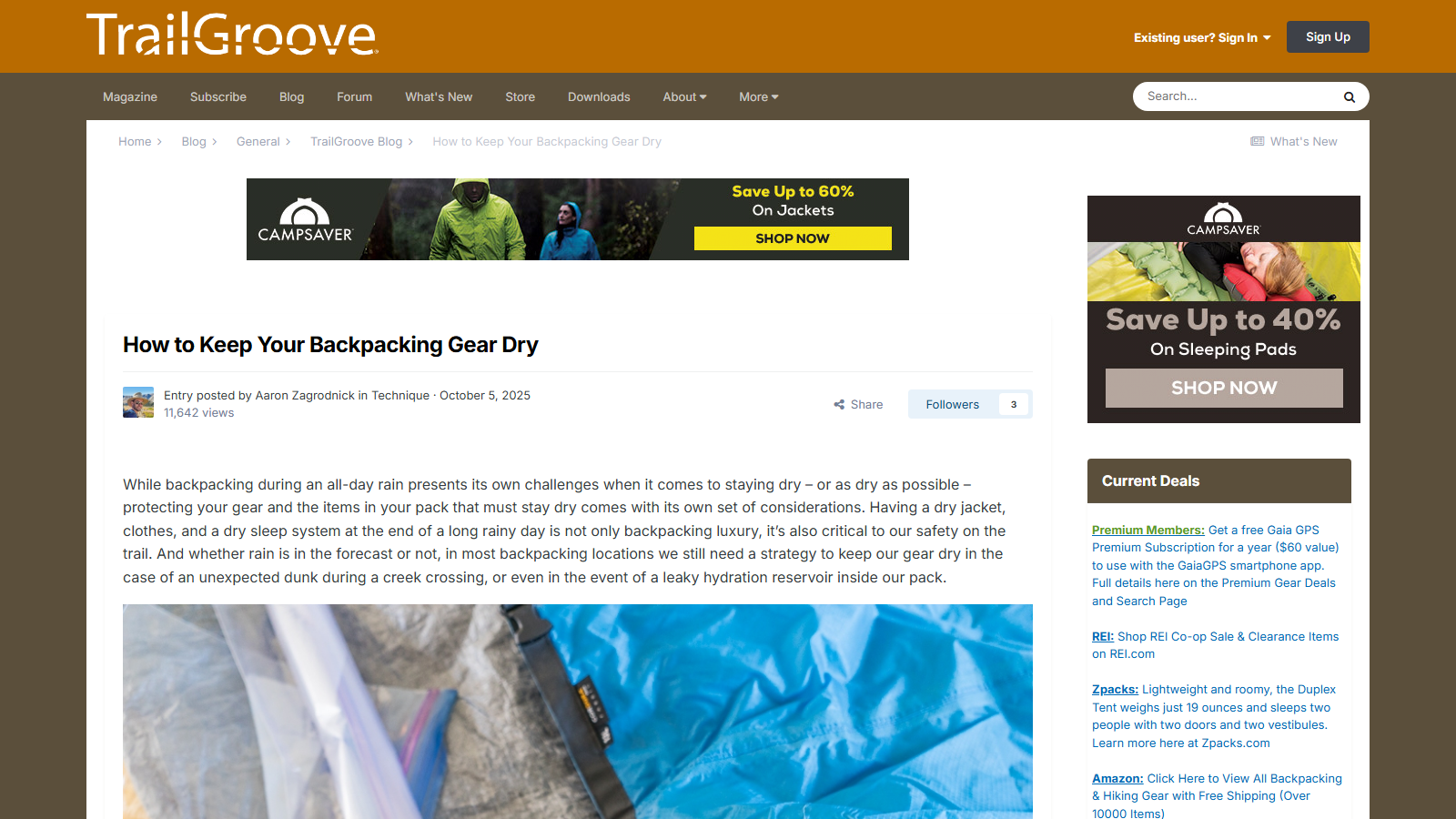
The guides below follow that order, from the ground up: foam versus inflatable pads and how two popular air pads held up on a long trail, then the quilt-or-bag decision and a quilt tested near freezing, then pillows, then the bedtime habits that keep you warm until morning, and finally how to keep the whole system dry when the weather turns.
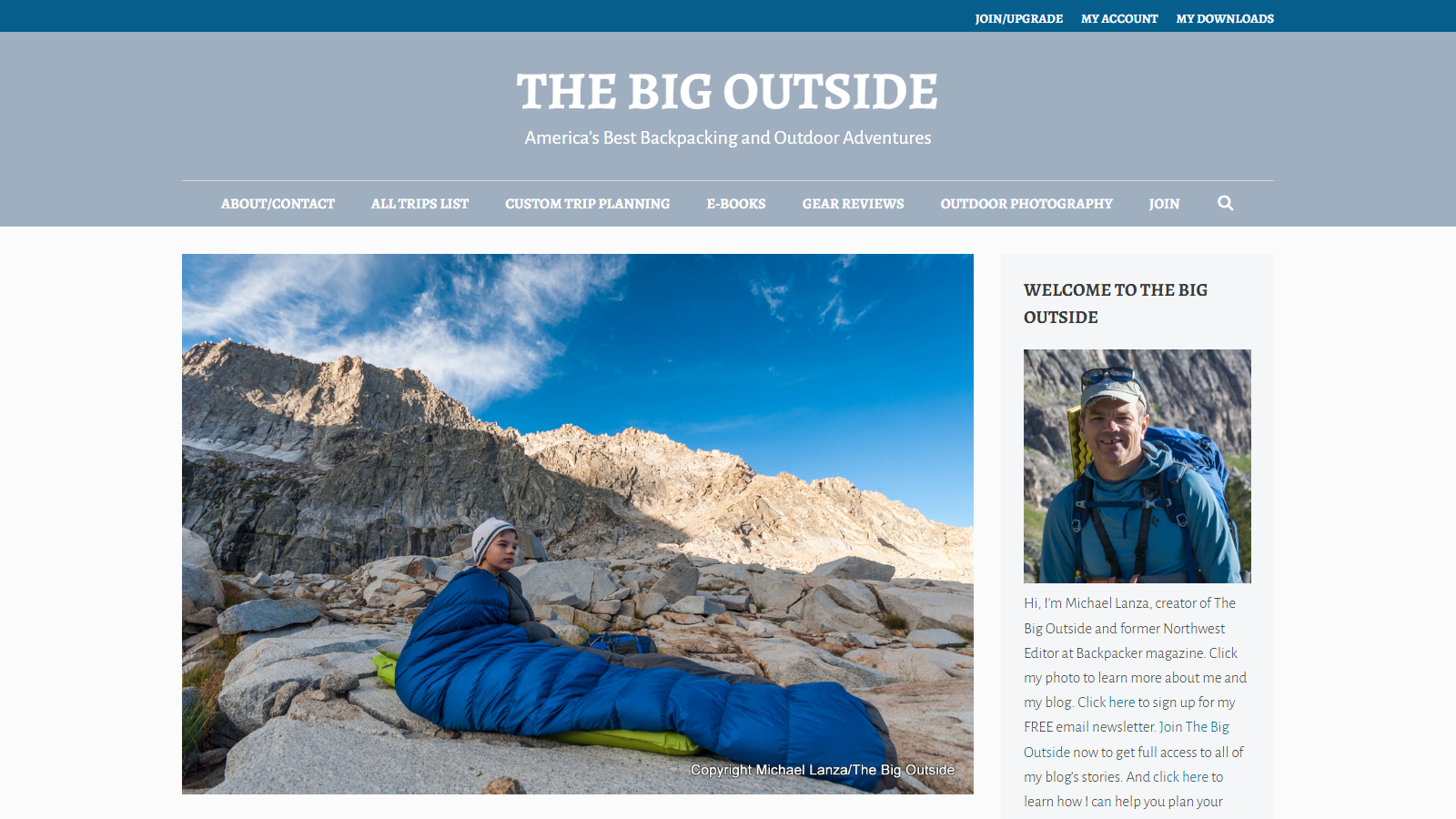
This article references third-party websites for informational purposes only. PackLite does not host, own, or claim any rights over the content of the linked sites. All screenshots are used for illustrative purposes and link back to their original source.